Many parents notice their child frequently breathing through their mouth and assume it is related to allergies, congestion, or a temporary habit. While occasional mouth breathing during illness is common, chronic mouth breathing is different. When mouth breathing becomes a child’s default pattern, it often signals underlying airway or developmental concerns that deserve closer attention.
For families in McLean, understanding how mouth breathing affects facial growth, sleep quality, and long-term health can be an important step in supporting a child’s overall development. Mouth breathing is not simply a cosmetic issue or a habit to break. It is closely connected to how the airway, jaws, and facial structures grow over time.
What Is Mouth Breathing in Children?
Mouth breathing occurs when a child relies primarily on breathing through the mouth instead of the nose, both during the day and while sleeping. Healthy breathing should happen mostly through the nose. Nasal breathing filters allergens, warms and humidifies air, and supports proper oxygen exchange.
When nasal airflow is restricted, the body adapts. Children often begin breathing through their mouth to get enough air, especially during sleep. Over time, this compensation can become automatic, even if the original cause such as congestion or illness has resolved.
This shift from nasal breathing to mouth breathing can have lasting effects during critical growth periods.
Why Nasal Breathing Matters for Development
The nose is designed to support healthy breathing. Nasal breathing promotes balanced muscle activity in the face, proper tongue posture against the palate, and stable jaw positioning.
When a child breathes through their nose, the tongue naturally rests in a position that helps guide normal jaw growth. This supports wider dental arches, balanced facial development, and a more stable airway.
When mouth breathing replaces nasal breathing, these natural growth signals can be disrupted.
Common Causes of Chronic Mouth Breathing
Mouth breathing is rarely just a habit. In many cases, it develops because nasal breathing feels difficult or restricted. Common contributing factors include enlarged tonsils or adenoids, chronic nasal congestion, allergies, sinus inflammation, narrow nasal passages, and underdeveloped jaw structure.
In some children, the jaws do not grow forward or wide enough to fully support nasal airflow. When the upper jaw is narrow, the nasal cavity may also be narrow, making breathing through the nose more challenging.
Because airway size and jaw development are connected, mouth breathing is often a sign that these systems are not working together efficiently.
How Mouth Breathing Influences Facial Growth
Facial bones and jaws are highly responsive to muscle use and breathing patterns during childhood. When a child breathes through their mouth, muscle activity around the lips, cheeks, and tongue changes.
Over time, chronic mouth breathing can contribute to narrower dental arches, crowded teeth, elongated facial growth patterns, changes in jaw balance, and altered head and neck posture. These changes are sometimes described as “long face” development and can affect both appearance and function.
These structural changes may reduce airway space further, reinforcing mouth breathing and increasing the risk of sleep-related breathing issues.
The Relationship Between Mouth Breathing and Tongue Posture
Tongue posture plays a critical role in facial development. In healthy nasal breathing, the tongue rests gently against the roof of the mouth, supporting proper palate growth.
With mouth breathing, the tongue often sits low in the mouth instead of against the palate. This reduces the natural widening forces on the upper jaw and can contribute to narrow arches and crowding.
Low tongue posture can also allow the airway to collapse more easily during sleep, especially when muscles relax.
How Mouth Breathing Affects Sleep Quality
Mouth breathing and sleep are closely linked. When children breathe through their mouth at night, airflow is often less efficient and more turbulent. This can increase airway resistance and make breathing more labored during sleep.
Children who mouth breathe during sleep may snore, toss and turn, wake frequently, or sweat excessively at night. Even when a child appears to sleep through the night, breathing inefficiency can prevent deep, restorative sleep stages.
Over time, poor sleep quality can affect learning, mood, immune function, and physical growth.
Mouth Breathing and Sleep-Disordered Breathing
Chronic mouth breathing is commonly associated with sleep-disordered breathing, a spectrum that includes habitual snoring and pediatric sleep apnea.
As airway stability decreases, breathing becomes more effortful during sleep. Mouth breathing may initially help compensate, but it can worsen airway collapse over time, especially in children with narrow jaws or enlarged airway tissues.
Because pediatric sleep-disordered breathing often presents subtly, it is frequently overlooked or mistaken for behavioral or developmental concerns.
Signs a Child May Be Impacted by Mouth Breathing
Parents may notice several signs rather than one obvious symptom. These can include open-mouth posture, dry mouth or lips upon waking, snoring, restless sleep, teeth grinding, dark circles under the eyes, frequent nasal congestion, difficulty concentrating, hyperactivity, irritability, or early dental crowding.
While any one sign may seem minor, consistent patterns often suggest that breathing, sleep, and development are not fully aligned.
The Connection Between Airway Size and Jaw Development
The upper jaw forms the floor of the nasal cavity, meaning jaw growth directly affects nasal airway size. When jaw development is restricted, the airway may also be smaller.
Airway-focused orthodontic evaluations assess how jaw growth, tooth position, breathing patterns, and airway size interact. This developmental perspective helps identify whether mouth breathing is contributing to or resulting from structural limitations.
Addressing these relationships early allows for more conservative, growth-guided approaches when appropriate.
Why Early Evaluation Makes a Difference
Jaw growth follows a biological timeline. Once growth slows, guiding development becomes more difficult and may require more invasive interventions.
Early evaluation helps determine whether mouth breathing is related to airway restriction, jaw development, or both. Even when immediate treatment is not recommended, early insight allows families to monitor changes and intervene at the right time if concerns progress.
Early evaluation does not mean early braces. It means early understanding.
Long-Term Health Effects of Untreated Mouth Breathing
When mouth breathing continues into adolescence and adulthood, it may contribute to chronic issues such as TMJ discomfort, headaches, teeth grinding, snoring, and adult sleep apnea.
Many adults struggling with these concerns trace them back to childhood breathing patterns that were never addressed. Supporting healthy breathing early may help reduce the likelihood of these challenges later in life.
Supporting Healthy Breathing for Children in McLean
Families in McLean often value preventive, education-focused care that supports long-term wellness. Understanding how mouth breathing affects growth empowers parents to take proactive steps for their child’s health.
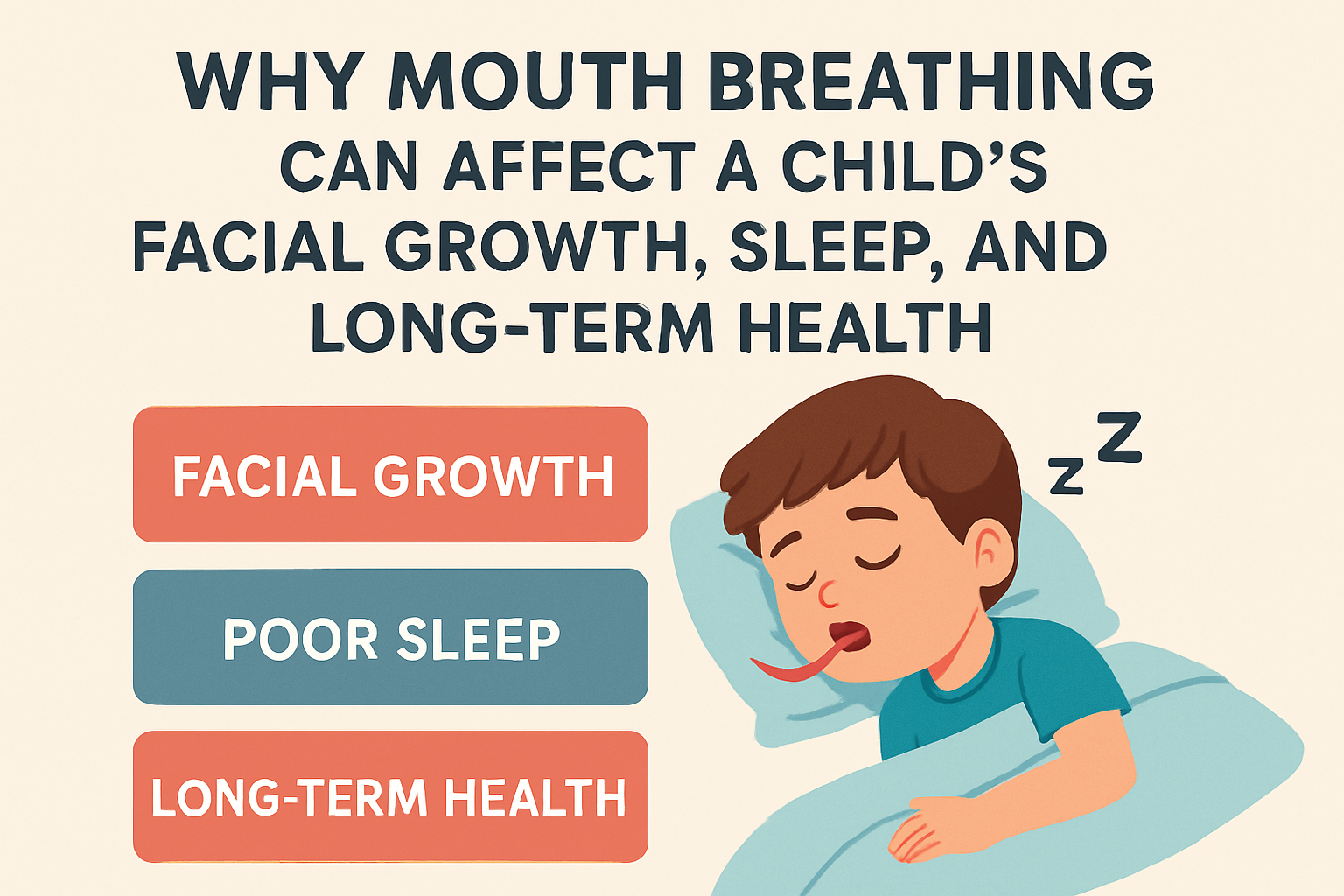
If your child frequently breathes through their mouth, snores, sleeps restlessly, or shows early signs of crowding or facial imbalance, an airway-focused orthodontic evaluation can provide valuable guidance.
Evaluating breathing, sleep, and development together helps families make informed decisions and supports healthier outcomes as children grow.